The Incentive Trip Paradox: What FAM Trips Have Taught Me About Doing This Right
FAM trips exist to show what's possible — the best version of a destination, the best version of a resort's programming, a property's A-game. And even on trips built to impress, I've come home flattened more than once. If that's happening on a trip designed to showcase the ideal experience, it's worth asking how often it's happening to actual guests on the real thing.
That's the gap I keep coming back to. Not the destinations or the properties — the pacing.
Where the Instinct Goes Wrong
The logic on most FAM trips is easy to spot: this is the property's chance to show everything it's got, so the itinerary gets stacked — morning excursion, afternoon activity, a dinner meant to be the highlight, sometimes a second event on top of that. Every open hour feels like a missed chance to impress.
But sitting through it, the effect isn't "I'm impressed by how much this place can do." It's "I'm exhausted, and this is just a preview." If a trip built around best-case programming still wears people out, that says something about how these itineraries get built by default.
What's Stood Out on the Trips That Didn't Wreck Me
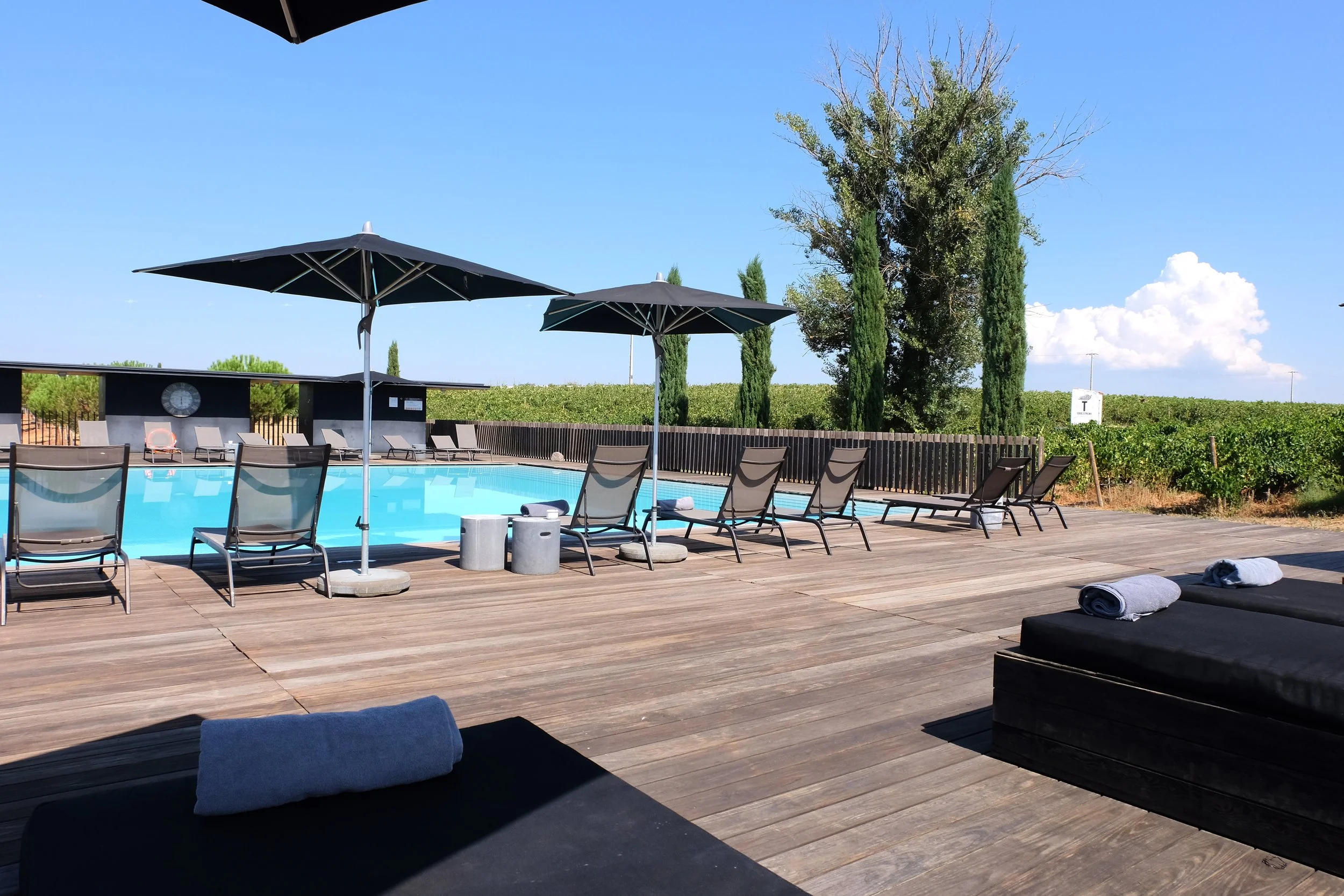
Real open time, not just gaps between activities. Not a 20-minute buffer — an actual unscheduled block to sit by the pool, nap, or just not be "on." A light first day, specifically to shake off travel before anything demanding starts, makes a noticeable difference.
Fewer things, landing harder. Three or four experiences from a well-paced trip stick with me far more than any single moment from one that crammed in eight.
Rest treated as part of the plan, not empty space. A quiet lounge away from the main event area. A spa slot built into the itinerary rather than something guests have to carve out themselves. It signals the property understands guest energy as part of the product.
Heavy food-and-drink programming needs something calm around it — this is the one I keep coming back to. Wine tours, boat days with an open bar, multi-course tastings — all great, and clearly meant to show what a property can do. But stack one into a day that also has a formal dinner and an early call time the next morning, and that's the day it catches up with people. A heavy F&B block is a high-intensity block, even if it doesn't look like one on the agenda. The best itineraries build a slow morning or easier evening right next to that kind of day, instead of piling another commitment on top of it.
This Isn't Just a Hunch
It tracks with a real shift in how incentive travel gets designed — sometimes called "Slow MICE": fewer events per day, more genuine downtime, itineraries built to recharge people rather than run them down. Most incentive programs now build in wellness elements, and per-person spend has gone up as companies invest more in that side of the experience.
That matches what most guests would say if asked directly: real downtime tends to matter more than one more activity on the schedule. Makes sense — a lot of these guests are already stretched thin at work, so a reward that adds to that exhaustion undercuts its own purpose.
The Standard Worth Building Toward
Walk through each day and ask whether a guest who did everything on it would go home energized or flattened. If it's flattened, the fix usually isn't cutting the best part of the trip — it's giving that part room to breathe instead of stacking something else right next to it.
Nobody remembers a trip fondly because every hour was full. The trips that stick are the ones where guests actually got to enjoy what was planned, because they weren't running on empty by day three. That's the bar every program should clear.